
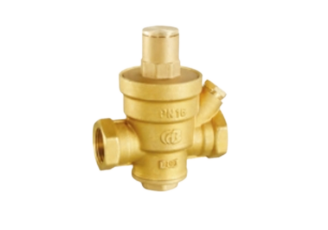

Cold Expansion Valve vs Thermal Expansion Valve: Key Differences
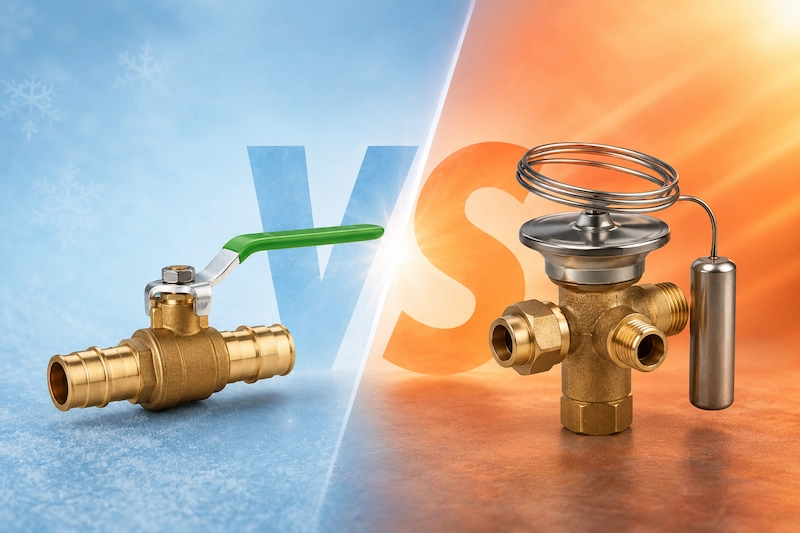
Cold expansion valves and thermal expansion valves serve different purposes within fluid control systems. A cold expansion valve is primarily used to manage pressure fluctuations in cold water systems, while a thermal expansion valve is designed to regulate pressure caused by temperature-induced volume changes, typically in heated or closed-loop systems. Selecting the right valve depends on whether pressure variation is driven by temperature changes or system design constraints.
What Is a Cold Expansion Valve?
A cold expansion valve is installed in cold water supply systems to absorb pressure increases caused by sudden flow changes, system closure, or backflow conditions. It helps maintain stable pressure and prevents damage to pipes, fittings, and fixtures.
Key Functions
Stabilizes pressure in cold water pipelines
Prevents pressure spikes caused by quick valve closures
Protects downstream equipment and plumbing systems
Improves system longevity by reducing mechanical stress
In modern plumbing systems—especially those with backflow prevention devices—pressure buildup in cold water lines is more common, making this valve increasingly relevant.
What Is a Thermal Expansion Valve?
A thermal expansion valve is designed to handle pressure increases resulting from water heating. When water temperature rises, its volume expands, creating excess pressure in closed systems such as water heaters or boilers.
Key Functions
Relieves pressure caused by thermal expansion
Maintains safe operating pressure in hot water systems
Protects tanks, pipelines, and connected appliances
Ensures compliance with plumbing safety standards
Thermal expansion valves are essential in systems where heated water cannot expand back into the main supply line.
Cold Expansion Valve vs Thermal Expansion Valve: Core Differences
1. Source of Pressure Increase
Cold Expansion Valve: Responds to mechanical or hydraulic pressure fluctuations in cold water systems
Thermal Expansion Valve: Responds to volume expansion caused by temperature rise
This is the most critical distinction—understanding the root cause of pressure increase determines valve selection.
2. Application Environment
Cold Expansion Valve:
Cold water supply systems
Systems with check valves or backflow preventers
Municipal or building water distribution networks
Thermal Expansion Valve:
Water heaters
Boilers
Closed-loop hot water systems
3. Operating Mechanism
Cold Expansion Valve:
Typically reacts to pressure thresholds, releasing or absorbing excess pressure when it exceeds a set limitThermal Expansion Valve:
Designed to accommodate volume changes due to heating, often working in conjunction with expansion tanks
4. System Integration
Cold Expansion Valve: Installed in cold water inlet lines or near pressure-sensitive zones
Thermal Expansion Valve: Installed near water heaters or in hot water circuits
5. Safety and Compliance Role
Cold Expansion Valve: Enhances system stability and reduces wear
Thermal Expansion Valve: Critical for preventing overpressure hazards in heated systems
Do You Need a Cold Expansion Valve or a Thermal Expansion Valve?
The choice depends on system design:
If your system experiences pressure spikes without temperature change, a cold expansion valve is required
If pressure increases due to water heating, a thermal expansion valve is necessary
In many modern plumbing systems, both may be used together to ensure comprehensive pressure control.
Where Should a Cold Expansion Valve Be Installed?
A cold expansion valve is typically installed:
On the main cold water supply line
Upstream of sensitive equipment
Near backflow prevention devices
Proper placement ensures effective pressure regulation and prevents localized stress on the system.
Do You Need an Expansion Valve for a Water Heater?
Yes, in most closed systems. When water is heated, it expands and increases pressure. Without proper expansion control:
Pipes may experience stress
Valves and fittings may fail prematurely
Safety risks may arise
A thermal expansion valve or expansion tank is commonly required to manage this condition.
Cold Expansion Valve vs Expansion Tank: What’s the Difference?
Although both manage pressure, they function differently:
Cold Expansion Valve: Releases or regulates excess pressure directly
Expansion Tank: Absorbs expanded water volume using an air chamber
In many systems, expansion tanks are preferred for thermal expansion, while valves provide additional protection and control.
Common Problems and Maintenance Considerations
Why is my expansion valve leaking?
Excessive system pressure
Worn internal components
Incorrect valve sizing
Debris buildup affecting sealing
How long does an expansion valve last?
Typically 5–10 years depending on water quality and usage
Regular inspection and maintenance can extend service life
How to ensure optimal performance?
Select the correct valve type for your application
Ensure proper installation location
Perform routine system pressure checks
Replace worn components promptly
Material Selection: Why Brass Is Commonly Used
In both cold and thermal expansion valves, brass is widely preferred due to:
Excellent corrosion resistance in potable water systems
Reliable mechanical strength
Cost-effectiveness for large-scale applications
Ease of manufacturing and consistent quality
For most building water systems, brass valves provide a strong balance between performance and cost.
Conclusion
Cold expansion valves and thermal expansion valves address different types of pressure challenges within plumbing systems. A cold expansion valve is ideal for managing pressure fluctuations in cold water lines, while thermal expansion valves are essential for controlling pressure caused by heating.
In modern plumbing design, selecting the correct valve—or combining both—ensures system safety, efficiency, and long-term reliability. Understanding the underlying cause of pressure variation is the key to making the right decision.
FAQs
What happens if you don’t install an expansion valve?
Pressure buildup can damage pipes, valves, and appliances, and may lead to system failure or safety hazards.
Can a cold expansion valve replace a thermal expansion valve?
No. Each valve is designed for different pressure conditions and cannot substitute for the other.
Is an expansion valve required by plumbing codes?
In many regions, expansion control devices are mandatory for closed water systems, especially those with water heaters.
How do you size a cold expansion valve?
Sizing depends on pipe diameter, system pressure, and flow rate. Incorrect sizing can reduce efficiency or cause premature failure.
Can both valves be used in the same system?
Yes. In complex or closed systems, using both ensures complete pressure management and system protection.
Different Carbo Valves For Sale
