

Bronze Ball Valve vs Brass Ball Valve: Which One Should You Choose?
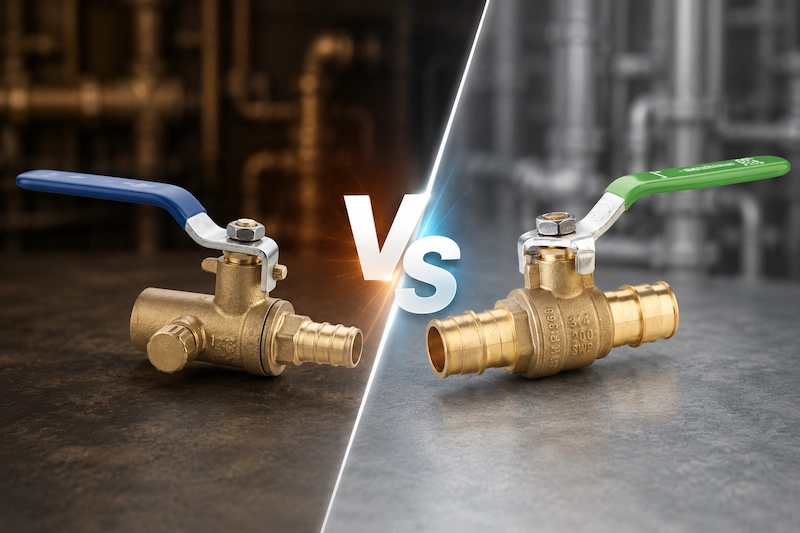
Choosing the right ball valve material can significantly impact the reliability, maintenance costs, and lifespan of your piping system. While bronze ball valves and brass ball valves are both widely used across water, HVAC, marine, and industrial applications, they are not interchangeable in every situation.
For most residential, commercial, and general water systems, brass ball valves offer an excellent balance of affordability and performance. However, for marine environments, corrosive conditions, and applications requiring maximum durability, bronze ball valves often provide superior long-term value.
This guide compares bronze and brass ball valves in detail, helping buyers, engineers, contractors, and distributors determine which option best fits their project requirements.
Understanding Ball Valves
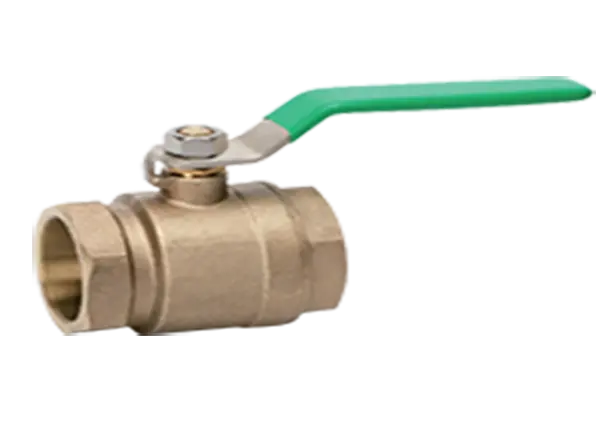
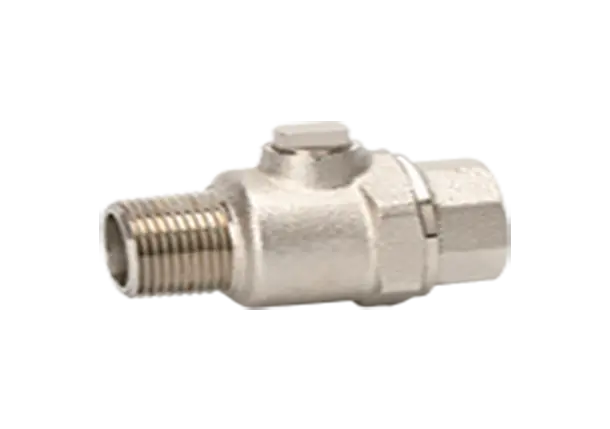
A ball valve uses a rotating ball with a bore through its center to control fluid flow.
Ball valves are popular because they provide:
Fast quarter-turn operation
Excellent shut-off performance
Low pressure drop
Long service life
Minimal maintenance
They are commonly used in:
Potable water systems
HVAC installations
Irrigation networks
Industrial process lines
Marine systems
Oil and gas facilities
Fire protection systems
While the valve design remains similar, the body material plays a major role in overall performance.
Bronze Ball Valve vs Brass Ball Valve: Quick Comparison
| Feature | Bronze Ball Valve | Brass Ball Valve |
|---|---|---|
| Corrosion Resistance | Excellent | Good |
| Marine Performance | Excellent | Moderate |
| Strength | Higher | Moderate |
| Service Life | Longer | Good |
| Initial Cost | Higher | Lower |
| Wear Resistance | Better | Good |
| Freshwater Applications | Excellent | Excellent |
| Industrial Applications | Preferred | General Purpose |
| Availability | Moderate | High |
| Lifecycle Cost | Often Lower | Moderate |
What Is a Bronze Ball Valve?
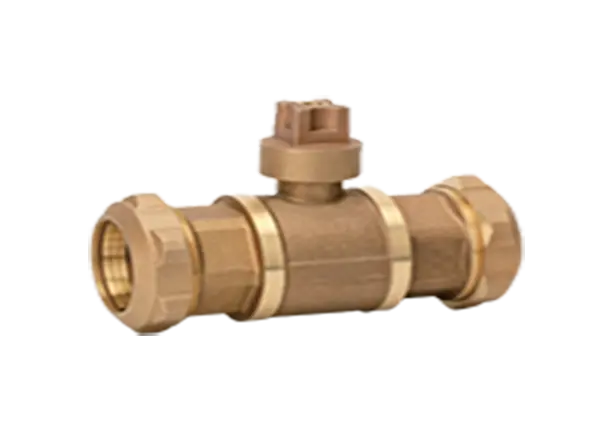
Bronze ball valves are manufactured using copper-tin alloys that provide exceptional corrosion resistance and durability.
Bronze has long been favored in demanding applications because it offers:
High mechanical strength
Excellent resistance to seawater
Superior wear resistance
Long service life
Reliable performance under challenging conditions
Many experienced bronze ball valve manufacturers focus heavily on marine, industrial, and infrastructure projects where long-term reliability is critical.
What Is a Brass Ball Valve?
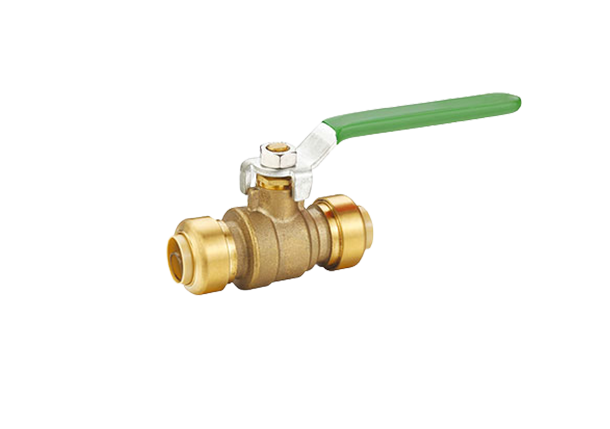
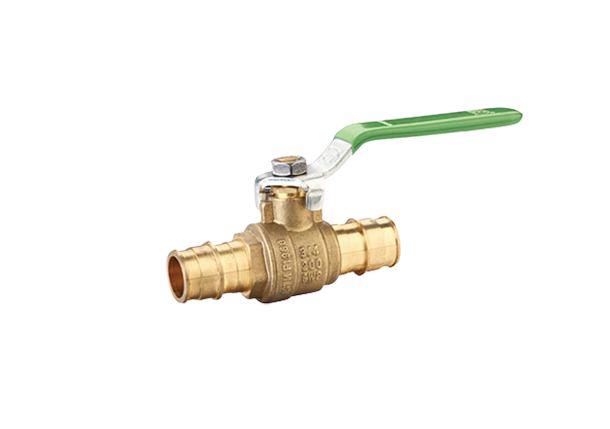
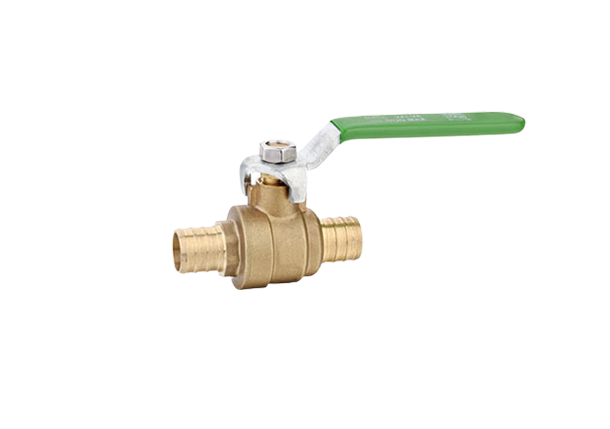
Brass ball valves are manufactured from copper-zinc alloys and are among the most commonly used valves worldwide.
Advantages include:
Lower purchase cost
Wide availability
Easy installation
Excellent machinability
Good corrosion resistance in freshwater systems
Because of their affordability and versatility, brass ball valves dominate residential and commercial markets.
Material Composition Differences
The fundamental difference lies in alloy composition.
| Material | Primary Components |
|---|---|
| Brass | Copper + Zinc |
| Bronze | Copper + Tin |
These differences affect:
Corrosion behavior
Mechanical strength
Resistance to wear
Long-term durability
Although both materials contain copper, bronze typically provides greater protection in harsh environments.
Corrosion Resistance Comparison
Bronze Ball Valves
Bronze naturally forms a protective oxide layer that helps prevent corrosion.
It performs exceptionally well in:
Seawater systems
Coastal environments
Industrial cooling systems
Marine piping
Water treatment facilities
Bronze also avoids many of the dezincification concerns associated with certain brass alloys.
Brass Ball Valves
Brass provides excellent corrosion resistance in:
Potable water systems
Municipal water networks
HVAC systems
Irrigation systems
Commercial plumbing
For standard freshwater service, brass performs extremely well and remains the most common choice.
Winner: Bronze
Performance in Marine Applications
Marine environments expose valves to:
Saltwater
Humidity
Chlorides
Temperature fluctuations
These conditions can accelerate material degradation.
Bronze has historically been the preferred material for:
Ships
Offshore platforms
Ports
Marinas
Seawater cooling systems
Many marine engineering specifications explicitly require bronze valves because of their proven resistance to seawater corrosion.
Winner: Bronze
Strength and Mechanical Durability
Ball valves experience repeated opening and closing cycles throughout their service life.
Bronze generally provides:
Higher tensile strength
Better wear resistance
Improved fatigue resistance
Longer operating life
This becomes particularly important in systems with:
Frequent operation
Pressure fluctuations
Continuous industrial service
Winner: Bronze
Cost Comparison
Cost remains one of the most important purchasing considerations.
| Valve Type | Relative Cost |
|---|---|
| Brass Ball Valve | Lower |
| Bronze Ball Valve | Higher |
The exact difference depends on:
Valve size
Pressure rating
Certification requirements
Manufacturing standards
For large commercial projects, choosing brass can significantly reduce upfront investment.
Winner: Brass
Service Life Comparison
The lifespan of a ball valve depends on:
Fluid type
Pressure
Temperature
Maintenance practices
Environmental conditions
Brass Ball Valve
Typical lifespan:
10–20 years in standard water systems
Bronze Ball Valve
Typical lifespan:
15–30 years or more in suitable applications
In corrosive environments, the difference can be even greater.
Winner: Bronze
Which Valve Is Better for Potable Water?
For drinking water systems, both materials perform well.
Brass remains the most commonly specified option because:
Lower cost
Broad availability
Proven performance
Easy sourcing worldwide
Unless the system faces unusually aggressive water conditions, brass is often the most economical choice.
Winner: Brass
Which Valve Is Better for Industrial Applications?
Industrial systems often involve:
Continuous operation
Elevated temperatures
Aggressive water chemistry
Higher maintenance costs
In these situations, bronze frequently delivers greater reliability and lower lifecycle costs.
Applications include:
Water treatment plants
Cooling water systems
Process facilities
Utility infrastructure
Winner: Bronze
Maintenance Requirements
Brass Ball Valves
Advantages:
Easy replacement
Readily available spare parts
Lower initial maintenance costs
Bronze Ball Valves
Advantages:
Longer maintenance intervals
Better resistance to wear
Reduced likelihood of premature failure
For critical installations, bronze often minimizes long-term maintenance requirements.
Best Applications for Brass Ball Valves
Brass ball valves are ideal for:
Residential plumbing
Commercial buildings
HVAC systems
Irrigation networks
Potable water systems
General utility applications
When budget and availability are key considerations, brass is usually the preferred option.
Best Applications for Bronze Ball Valves
Bronze ball valves are commonly specified for:
Marine systems
Shipbuilding projects
Offshore installations
Coastal infrastructure
Industrial cooling systems
Water treatment facilities
High-cycle applications
Many leading bronze ball valve manufacturers focus on these sectors because reliability and corrosion resistance are top priorities.
How to Choose Between Bronze and Brass Ball Valves
Before making a purchase, ask the following questions.
What Fluid Is Being Controlled?
Freshwater systems generally perform well with either material.
Saltwater and corrosive fluids typically favor bronze.
Is the Installation Near the Ocean?
Coastal environments often justify the additional investment in bronze.
What Is the Expected Service Life?
For long-term infrastructure projects, bronze may reduce replacement costs.
Is Initial Cost a Major Concern?
Brass usually provides the most economical solution.
How Critical Is System Reliability?
For applications where downtime is costly, bronze often delivers better long-term value.
Common Buyer Mistakes
Choosing the Lowest-Cost Valve
The cheapest valve may not provide the lowest ownership cost over its lifetime.
Ignoring Environmental Conditions
Marine and industrial environments can dramatically affect valve performance.
Over-Specifying Bronze
For standard commercial plumbing systems, brass often provides more than enough performance.
Underestimating Maintenance Costs
Replacement labor and system downtime frequently exceed the valve's purchase price.
Frequently Asked Questions
Is bronze better than brass for ball valves?
Bronze generally offers superior corrosion resistance, durability, and marine performance. Brass remains an excellent choice for most freshwater applications.
Why are bronze ball valves more expensive?
Bronze alloys typically cost more and require more complex manufacturing processes, resulting in higher prices.
Can brass ball valves be used in seawater?
While certain brass alloys may tolerate limited exposure, bronze is generally preferred for long-term seawater service.
Which valve lasts longer?
Bronze ball valves typically have a longer lifespan, particularly in corrosive or demanding environments.
Are bronze ball valves worth the extra cost?
For marine, industrial, and critical infrastructure applications, the longer service life often justifies the higher upfront investment.
Final Recommendation
The choice between a bronze ball valve and a brass ball valve ultimately depends on your operating environment, budget, and long-term performance goals.
For residential plumbing, commercial water systems, HVAC applications, and general-purpose piping, brass ball valves continue to offer the best combination of affordability, availability, and reliable performance.
For marine installations, coastal infrastructure, industrial facilities, and systems exposed to corrosive conditions, bronze ball valves are usually the superior choice. Their enhanced corrosion resistance, greater durability, and longer service life can significantly reduce maintenance expenses and downtime over the life of the system.
When sourcing valves for demanding projects, partnering with experienced bronze ball valve manufacturers can help ensure product quality, compliance, and dependable long-term performance.
Different Carbo Valves For Sale
