
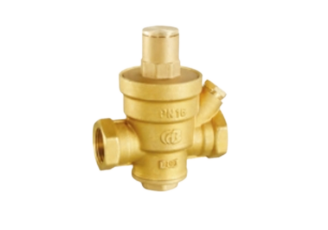

Brass PRV vs Stainless Steel PRV: Which Is Better for Your System?
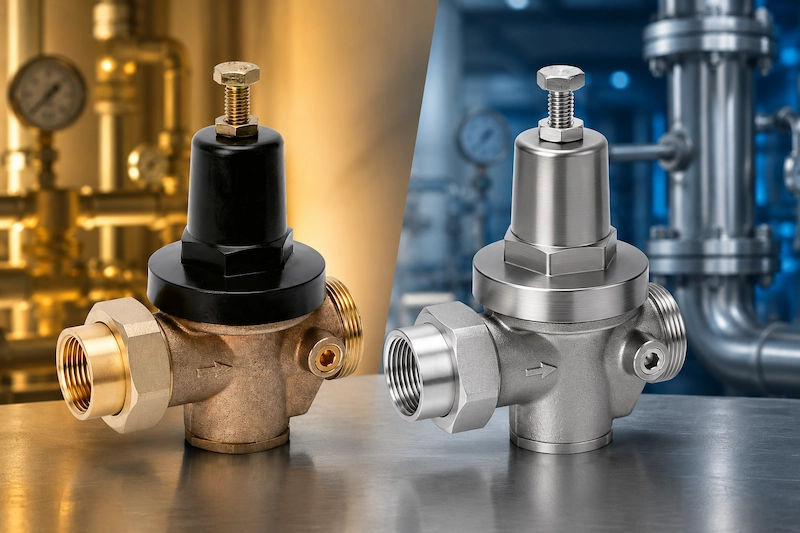
A pressure reducing valve (PRV) is one of the most important components in any fluid distribution system. Choosing between a brass PRV and a stainless steel PRV can significantly affect system reliability, maintenance costs, corrosion resistance, and overall service life.
For most potable water, residential, commercial, and general industrial applications, a brass water pressure reducing valve offers an excellent balance of cost, durability, and performance. However, for aggressive media, marine environments, high-purity systems, or corrosive industrial applications, stainless steel PRVs often provide superior long-term value despite their higher upfront cost. This guide compares brass and stainless steel PRVs from a practical engineering and purchasing perspective to help you determine which option is best for your system.
Understanding Pressure Reducing Valves
A pressure reducing valve automatically lowers incoming pressure to a predetermined downstream pressure level. PRVs are commonly used in:
Municipal water systems
Commercial buildings
Residential plumbing
HVAC systems
Irrigation networks
Industrial process lines
Marine applications
Food and beverage facilities
The valve body material directly influences performance, lifespan, and maintenance requirements.
Brass PRV vs Stainless Steel PRV: Quick Comparison
| Feature | Brass PRV | Stainless Steel PRV |
|---|---|---|
| Initial Cost | Lower | Higher |
| Corrosion Resistance | Good | Excellent |
| Potable Water Use | Excellent | Excellent |
| Saltwater Applications | Limited | Excellent |
| Chemical Resistance | Moderate | High |
| Weight | Moderate | Heavier |
| Service Life | Long | Very Long |
| Maintenance Requirements | Low | Very Low |
| Machinability | Excellent | More Difficult |
| Industrial Applications | General Purpose | Heavy Duty |
What Is a Brass Water Pressure Reducing Valve?
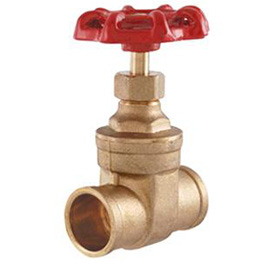
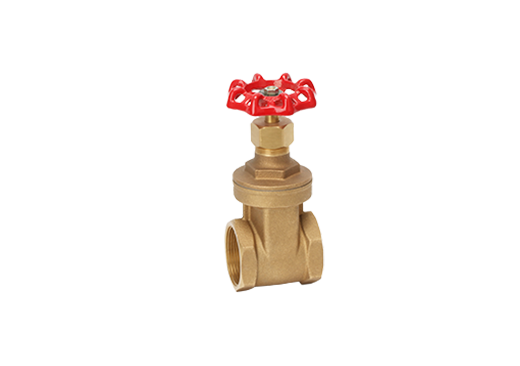
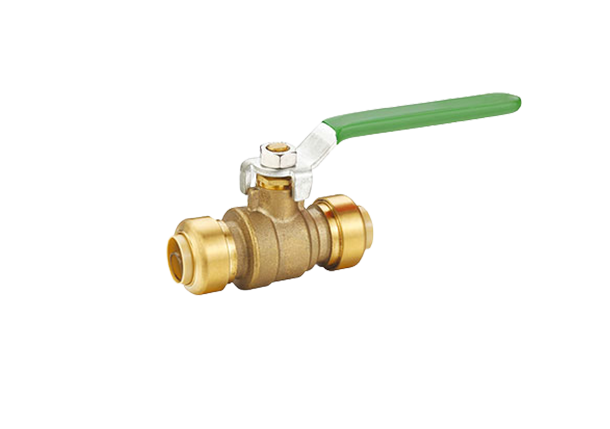
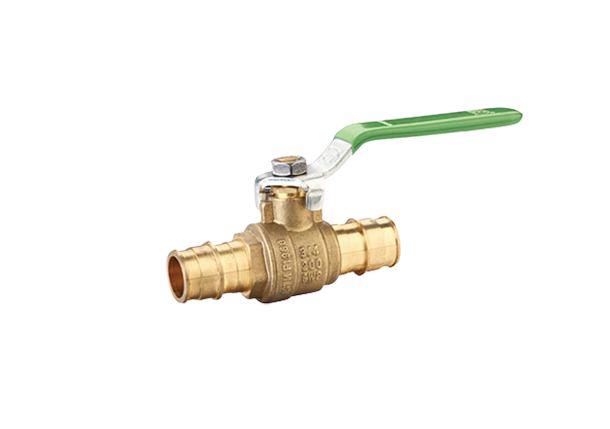
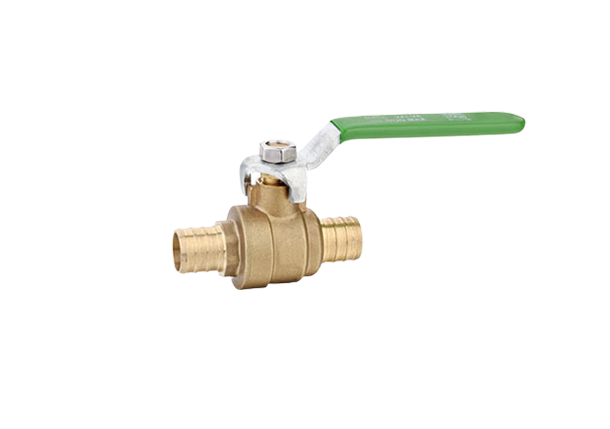
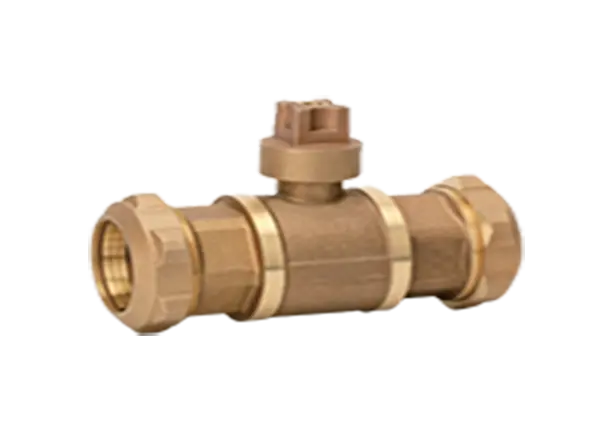
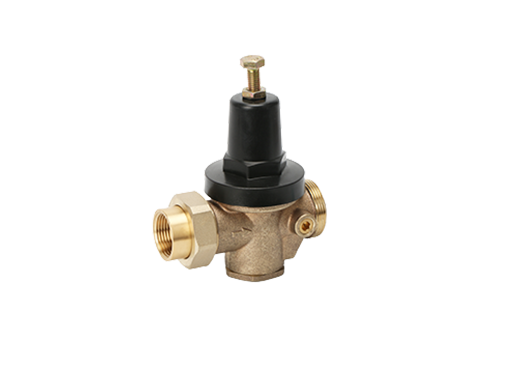
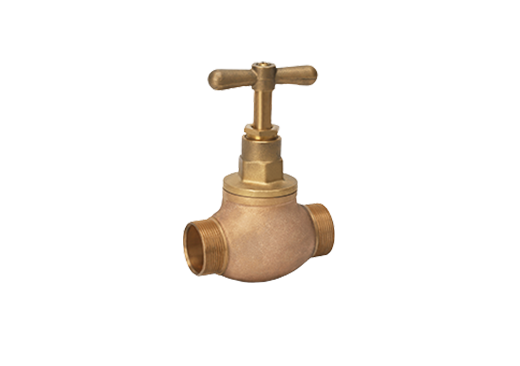
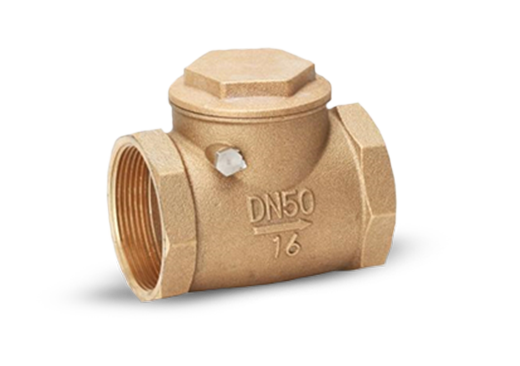
A brass water pressure reducing valve is manufactured primarily from copper-zinc alloy and is widely used in plumbing and water distribution systems. Brass PRVs are popular because they provide:
Excellent mechanical strength
Good corrosion resistance
Affordable pricing
Reliable pressure regulation
Easy installation and maintenance
Most residential and commercial water systems worldwide rely on brass PRVs because they offer an ideal combination of performance and cost efficiency.
What Is a Stainless Steel PRV?
Stainless steel PRVs are typically manufactured from grades such as:
SS304
SS316
SS316L
These valves are designed for demanding environments where corrosion, contamination, or aggressive fluids may damage conventional brass components. Common applications include:
Seawater systems
Chemical processing
Pharmaceutical production
Food processing
Offshore platforms
High-purity water systems
Corrosion Resistance Comparison
Where Brass Performs Well
Brass naturally resists corrosion in most freshwater systems. Applications include:
Municipal water supply
Building plumbing
Irrigation systems
Fire protection systems
HVAC water circuits
In these environments, brass valves often provide decades of reliable service.
Where Stainless Steel Has the Advantage
Stainless steel becomes the preferred option when exposed to:
Saltwater
Chloride-rich environments
Chemical media
Industrial wastewater
Coastal installations
For example, a stainless steel PRV installed in a desalination plant may last significantly longer than a brass equivalent.
Winner: Stainless Steel
Cost Comparison
For many buyers, purchase price remains a major factor.
| Valve Type | Relative Cost |
Brass PRV | Lower |
Stainless Steel PRV | 1.5x–3x Higher |
The exact difference depends on:
Valve size
Pressure rating
Certification requirements
Material grade
For standard building water systems, the additional investment in stainless steel may not generate sufficient return.
Winner: Brass
Strength and Pressure Capability
Both materials provide excellent mechanical strength. However, stainless steel generally offers:
Higher tensile strength
Better resistance to deformation
Superior performance at elevated pressures
This makes stainless steel attractive for:
Industrial processing plants
High-pressure systems
Critical infrastructure projects
Winner: Stainless Steel
Maintenance Requirements
Brass PRV Maintenance
Brass PRVs generally require:
Periodic inspection
Cleaning of strainers
Replacement of seals and diaphragms
Maintenance intervals are typically long in clean water systems.
Stainless Steel PRV Maintenance
Stainless steel valves often require less attention in corrosive environments because rust and material degradation occur much more slowly.
Winner: Stainless Steel
Potable Water Applications
Many building owners ask whether brass or stainless steel is better for drinking water. The answer depends on regulations, water chemistry, and project requirements. Brass PRVs remain the most common choice because:
Widely approved for potable water
Cost-effective
Easy to source globally
Proven performance history
Stainless steel may be selected when:
Ultra-clean water is required
Water chemistry is aggressive
Long service life is prioritized
For most commercial buildings, a quality brass water pressure reducing valve remains the preferred solution.
Winner: Brass
Which Material Lasts Longer?
Service life depends heavily on operating conditions.
| Environment | Recommended Material |
|---|---|
| Residential Plumbing | Brass |
| Commercial Buildings | Brass |
| Municipal Water Systems | Brass |
| Coastal Areas | Stainless Steel |
| Marine Applications | Stainless Steel |
| Chemical Plants | Stainless Steel |
| Pharmaceutical Facilities | Stainless Steel |
| Food Processing Plants | Stainless Steel |
In normal freshwater service, brass valves often operate effectively for 10–20 years or more. In corrosive environments, stainless steel frequently delivers substantially longer service life.
Which PRV Is Easier to Source?
Brass PRVs are generally easier to source worldwide. Benefits include:
Larger supplier network
Shorter lead times
Lower inventory costs
Greater availability of spare parts
Stainless steel PRVs may require longer production lead times, particularly for large sizes or specialized pressure ratings.
Winner: Brass
How to Choose Between Brass and Stainless Steel PRVs
Consider the following questions before purchasing:
What Fluid Is Being Controlled?
Freshwater systems generally favor brass. Corrosive fluids favor stainless steel.
Is the Installation Near the Coast?
Salt-laden air accelerates corrosion. Stainless steel often provides better protection in coastal environments.
What Is the Budget?
Brass offers the most economical solution for standard applications.
What Is the Expected Service Life?
If replacement costs are high or access is difficult, investing in stainless steel may reduce long-term ownership costs.
Are There Industry Compliance Requirements?
Certain industries may mandate stainless steel for hygiene or contamination control purposes.
Common Mistakes When Selecting a PRV
Choosing Solely Based on Price
The cheapest valve may not provide the lowest lifecycle cost.
Ignoring Water Chemistry
Aggressive water conditions can significantly shorten valve life.
Over-Specifying Stainless Steel
Some buyers unnecessarily select stainless steel for ordinary building plumbing, increasing project costs without meaningful performance gains.
Underestimating Environmental Conditions
Marine and coastal applications often require higher corrosion resistance than standard brass can provide.
Frequently Asked Questions
Is brass better than stainless steel for water pressure reducing valves?
For most residential and commercial water systems, brass provides the best balance of performance and cost. Stainless steel becomes advantageous in corrosive or specialized industrial environments.
How long does a brass water pressure reducing valve last?
A quality brass water pressure reducing valve can often operate for 10–20 years or longer when installed in properly maintained freshwater systems.
Can brass PRVs be used for drinking water?
Yes. Brass PRVs are widely used in potable water systems and comply with numerous international plumbing standards.
Is stainless steel worth the extra cost?
For marine, chemical, pharmaceutical, or high-corrosion environments, the longer service life and reduced maintenance often justify the higher purchase price.
Which material is best for coastal installations?
Stainless steel, particularly SS316, is generally the preferred choice for coastal and marine environments due to superior resistance to chloride corrosion.
Final Recommendation
The choice between a brass PRV and a stainless steel PRV should be based on operating conditions rather than material preference alone.
Choose a brass water pressure reducing valve when you need a reliable, cost-effective solution for residential, commercial, municipal, or general industrial water systems. Brass remains the industry standard because it combines affordability, durability, and widespread availability.
Choose a stainless steel PRV when corrosion resistance, hygiene requirements, chemical compatibility, or long-term durability are critical. Although the initial investment is higher, stainless steel often delivers superior lifecycle value in demanding environments.
For most water distribution projects, brass remains the practical and economical choice. For harsh industrial or marine applications, stainless steel is usually the safer long-term investment.
Different Carbo Valves For Sale
