

Brass vs Stainless Steel Pressure Reducing Valves: Which Is Better?
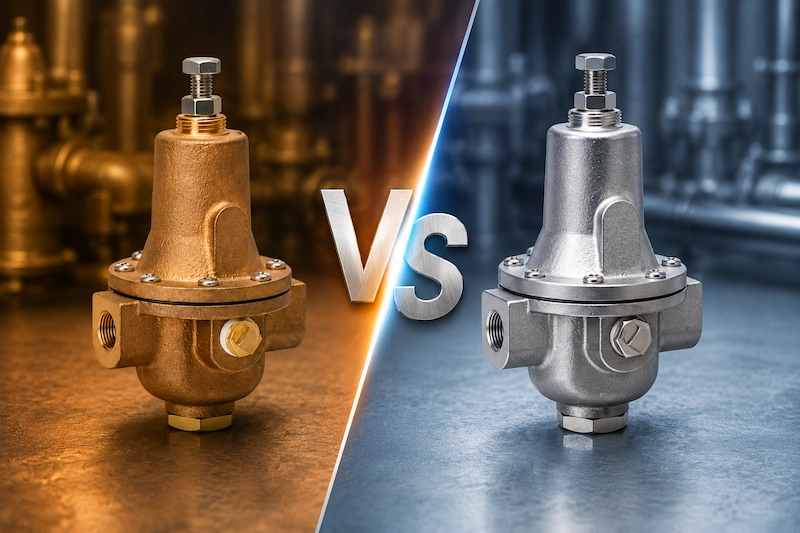
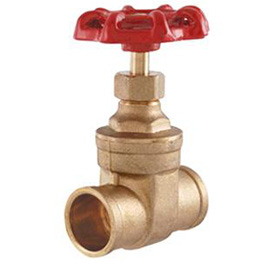
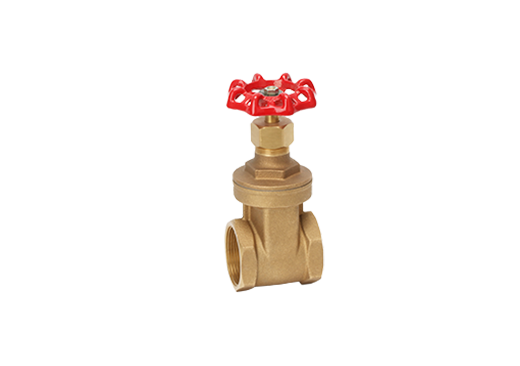
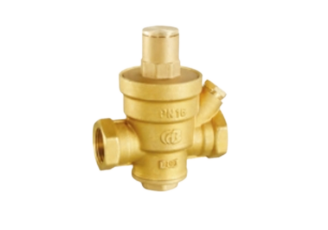
Choosing between brass and stainless steel pressure reducing valves depends primarily on your application environment, water quality, and cost-performance expectations. For most residential and standard commercial plumbing systems, a brass water pressure reducing valve offers the best balance of durability, corrosion resistance, and affordability. Stainless steel pressure reducing valves, on the other hand, are better suited for aggressive environments, high-purity systems, or industrial applications where corrosion resistance and strength are critical.
What Is a Pressure Reducing Valve and Why Does Material Matter?
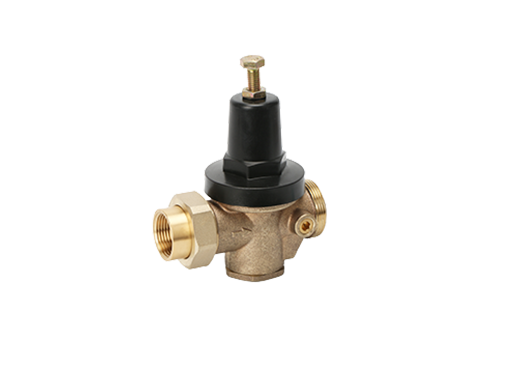
A pressure reducing valve (PRV) is designed to control and stabilize downstream water pressure, ensuring safe and efficient operation of plumbing systems, appliances, and pipelines.
Material selection directly impacts:
Corrosion resistance
Mechanical strength
Longevity under varying pressure conditions
Compatibility with water quality (e.g., chlorinated, hard water, or chemically treated systems)
In real-world projects, material choice is not just a technical detail—it directly affects lifecycle cost, maintenance frequency, and system reliability.
Brass vs Stainless Steel Pressure Reducing Valves: Key Differences1. Corrosion Resistance
Brass PRVs: Excellent resistance to potable water corrosion; performs well in standard municipal water systems
Stainless Steel PRVs: Superior resistance in aggressive environments such as seawater, chemicals, or high-chloride conditions
In most city water systems, a brass water pressure reducing valve is more than sufficient. Stainless steel becomes necessary only in more demanding conditions.
2. Strength and Pressure Handling
Brass: Strong enough for residential and most commercial applications
Stainless Steel: Higher tensile strength and better suited for high-pressure industrial systems
For high-rise buildings or heavy-duty industrial pipelines, stainless steel may offer additional safety margins.
3. Cost and Budget Efficiency
Brass PRVs: More cost-effective, widely available, and easier to manufacture
Stainless Steel PRVs: Significantly higher cost due to material and machining complexity
If you're optimizing for ROI, brass valves deliver excellent performance at a lower upfront investment.
4. Machinability and Design Flexibility
Brass: Easier to machine, allowing for more precise internal structures and stable pressure control
Stainless Steel: Harder to process, often resulting in higher manufacturing costs
This is one reason why brass water pressure reducing valves dominate the global plumbing market.
5. Application Suitability
| Application Type | Recommended Material |
Residential plumbing | Brass |
Commercial buildings | Brass / Stainless Steel |
Industrial systems | Stainless Steel |
Marine environments | Stainless Steel |
Drinking water systems | Brass |
Why Brass Water Pressure Reducing Valves Are Widely Used
Brass remains the industry standard for pressure reducing valves in potable water systems due to its optimal balance of properties.
Key Advantages
Excellent corrosion resistance in clean water
Stable performance under fluctuating pressure
Cost-effective for large-scale deployment
Long service life with minimal maintenance
From a supplier and distributor perspective, brass valves also offer better scalability in production and faster delivery cycles.
When Should You Choose Stainless Steel Instead?
There are specific scenarios where stainless steel is the better option:
High chloride or saline environments (e.g., coastal or marine systems)
Chemical processing plants
Ultra-pure water systems (e.g., pharmaceutical or semiconductor industries)
High-temperature or high-pressure pipelines
In these cases, the higher initial investment is justified by reduced risk of failure and longer service intervals.
How to Choose the Right Pressure Reducing Valve for Your System
What size pressure reducing valve do you need?
Valve size should match your pipe diameter and flow requirements. Undersized valves restrict flow, while oversized valves reduce pressure control accuracy.
What is the best material for drinking water systems?
Brass is typically preferred due to its safety, reliability, and compliance with potable water standards.
Where should a pressure reducing valve be installed?
PRVs are usually installed:
At the main water supply entry point
Before sensitive equipment
In multi-zone pressure control systems
Proper placement ensures consistent downstream pressure and protects fixtures.
Can a pressure reducing valve reduce water hammer?
Yes, by stabilizing pressure fluctuations, PRVs help minimize water hammer effects. However, additional devices like surge arrestors may still be required in complex systems.
How long does a pressure reducing valve last?
Brass PRVs: Typically 5–10 years depending on water quality
Stainless steel PRVs: Longer lifespan in harsh environments
Regular maintenance significantly extends service life.
Cost vs Performance: Which One Delivers Better Value?
From a lifecycle cost perspective:
Brass valves → Lower initial cost + sufficient durability for most systems
Stainless steel valves → Higher upfront cost + superior performance in extreme conditions
For 80–90% of applications, especially in municipal and building plumbing, brass provides the best value.
Conclusion
Both brass and stainless steel pressure reducing valves have their place in modern fluid control systems. The decision should be based on operating conditions rather than material preference alone.
For standard water supply systems, a brass water pressure reducing valve offers the most practical and cost-effective solution. Stainless steel becomes the better choice only when environmental or operational conditions demand higher corrosion resistance and strength.
FAQs
Is brass safe for drinking water systems?
Yes, high-quality brass valves designed for potable water applications meet international safety standards and are widely used worldwide.
Do stainless steel valves last longer than brass?
In harsh environments, yes. In normal conditions, both materials offer long service life, making brass more economical.
Can I replace a brass valve with stainless steel?
Yes, but it is usually unnecessary unless your system operates under aggressive conditions.
What causes pressure reducing valve failure?
Common causes include:
Sediment buildup
Worn internal components
Incorrect sizing
Poor installation
How do I maintain a pressure reducing valve?
Routine inspection, cleaning, and occasional adjustment help ensure optimal performance and extend lifespan.
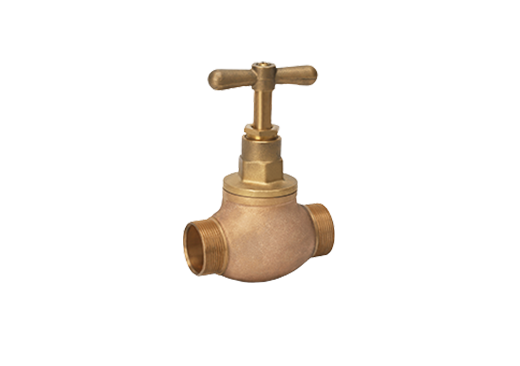
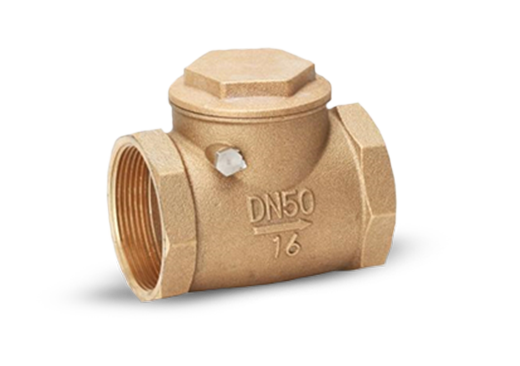
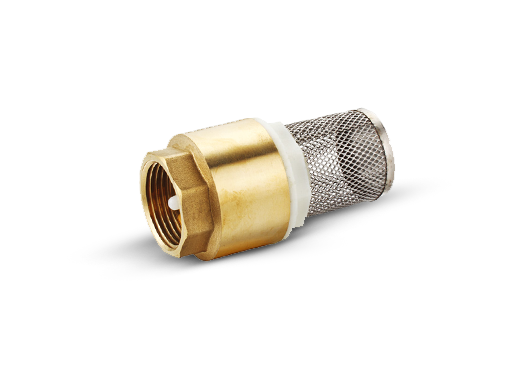
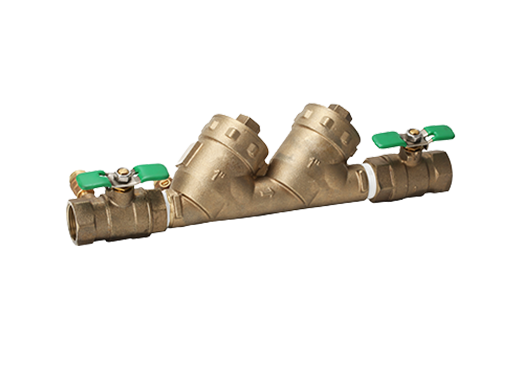
Different Carbo Valves For Sale
